When businesses invest in a new website, appearance often becomes their biggest priority. They want attractive colours, professional photographs and a modern design. However, there’s another important consideration that many businesses overlook. Can everyone actually use the website? Is Your Business Website Accessible to Everyone? It’s a question worth asking, particularly as more customers rely on digital services.
Website accessibility means making online information and features usable by people with different abilities and needs. For example, some visitors experience visual impairments, hearing difficulties or mobility limitations. Others simply struggle with small text or complicated navigation. By considering accessibility, businesses can create a better online experience for more potential customers.
What Does Website Accessibility Actually Mean?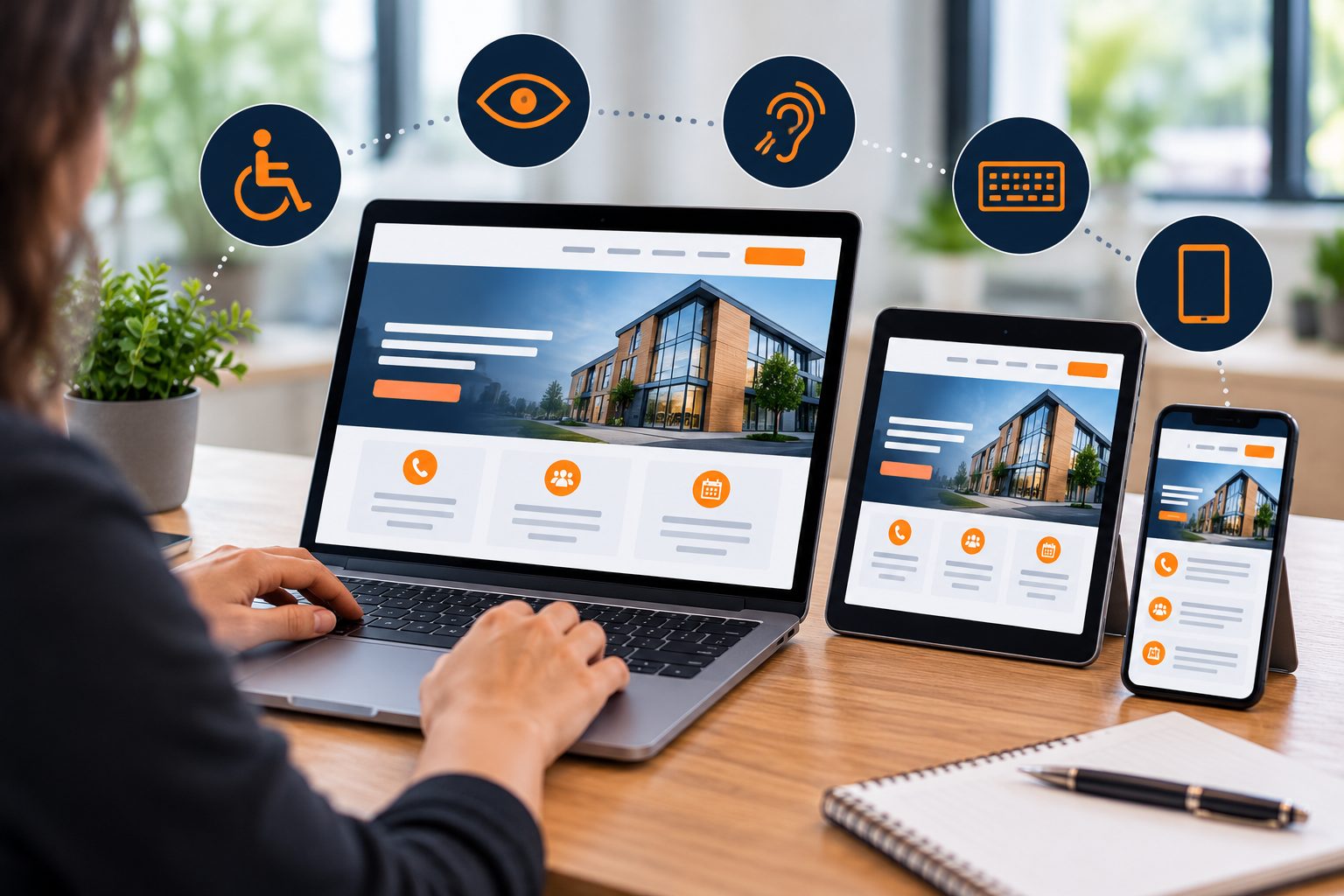
Website accessibility involves designing pages that people can understand, navigate and interact with easily. Importantly, this doesn’t mean sacrificing attractive design. Instead, it means making thoughtful decisions about how your website works. For example, clear text helps visitors read information comfortably. Similarly, well-structured headings make pages easier to navigate. Images should include meaningful alternative text when they communicate important information. Furthermore, website forms should have clear labels and helpful instructions. Some visitors use screen readers or keyboard navigation instead of a traditional mouse. Therefore, websites should accommodate different ways of accessing information. These improvements often benefit everyone, not just people with disabilities.
Why Is Mobile Accessibility So Important?
Think about how frequently you use your smartphone to search for local businesses. You might look for a restaurant, builder, accountant or marketing company while away from your computer. Consequently, your website must provide a comfortable experience on smaller screens. Unfortunately, some websites still feature tiny buttons, crowded menus and text that’s difficult to read. These problems can make simple tasks unnecessarily frustrating. For example, imagine trying to complete an enquiry form when the fields are too small. Alternatively, your contact button might sit underneath another website element. Both situations create barriers between your business and potential customers. Professional website design Doncaster companies provide should consider usability across smartphones, tablets and desktop computers. A responsive website adapts to different screen sizes. However, responsive design alone doesn’t guarantee accessibility. Businesses should also test navigation, forms and interactive features on real devices.
Can Website Accessibility Help Your SEO?
Search engine optimisation and website accessibility share several important principles. Both benefit from websites that are well-organised, informative and easy to navigate. For example, descriptive headings help visitors understand your content. They also help search engines interpret a page’s structure. Likewise, meaningful links provide context about the information they lead to. Alternative image text can support accessibility while helping search engines understand relevant images. Additionally, mobile-friendly layouts and clear navigation contribute to a more usable website. However, accessibility improvements don’t automatically guarantee higher Google rankings. Instead, they support the foundations of a well-structured website. For Doncaster businesses, combining accessible design with useful local content creates a stronger overall experience.
What Are the Most Common Website Accessibility Problems?
Many accessibility issues are surprisingly straightforward to identify. Poor colour contrast is one common example. Light-coloured text against a pale background might look attractive. However, some visitors will struggle to read it. Another issue involves text that becomes difficult to use when enlarged. Visitors should be able to increase text size without losing important information or functionality. Website forms can also cause problems. For example, an enquiry form might highlight an incorrect field without explaining what needs correcting. Similarly, buttons without descriptive labels can confuse people using assistive technology. Videos without captions may prevent some visitors from accessing important information. These examples demonstrate why accessibility should form part of the design process from the beginning.
How Can Businesses Check Their Website’s Accessibility?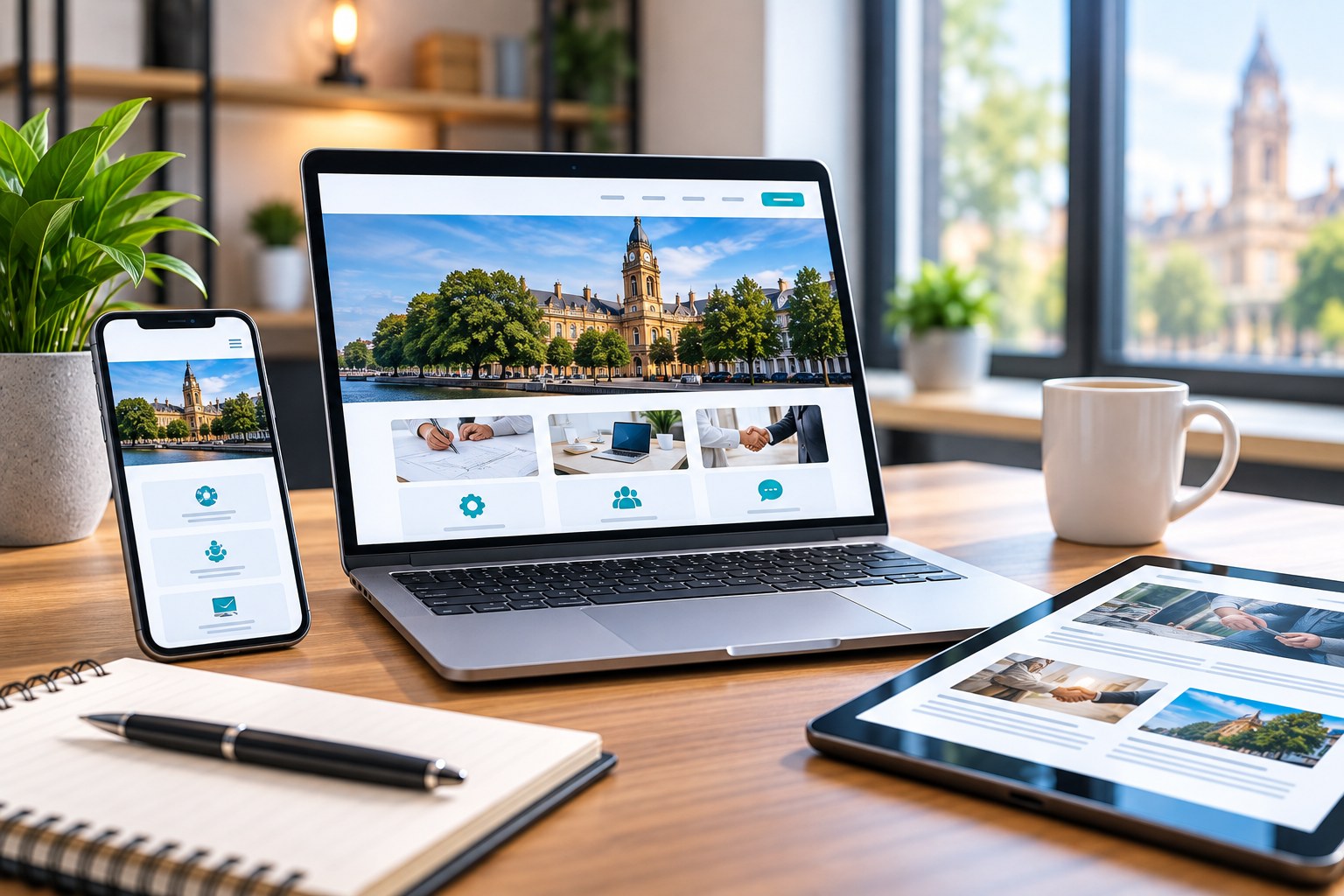
You don’t necessarily need specialist software to identify some basic usability problems. Start by visiting your website on a smartphone. Can you read the text comfortably? Are the buttons easy to select? Can you complete the contact form? Next, try navigating your website using only a keyboard. Check whether you can move between links, buttons and form fields without using a mouse. You should also increase your browser’s text size and examine how the layout responds. Additionally, consider whether your images have appropriate descriptions and your headings follow a logical order. Automated accessibility tools can highlight certain technical problems. However, they cannot identify every issue. For a comprehensive assessment, specialist testing against recognised accessibility standards may be necessary. The Web Content Accessibility Guidelines, known as WCAG, provide an established framework for improving accessibility.
Why Should Doncaster Businesses Take Accessibility Seriously?
A website represents your business around the clock. Therefore, every unnecessary barrier could prevent someone from learning about your services or making an enquiry. Accessibility is also about providing a welcoming and professional customer experience. When information is clear and easy to access, visitors can make decisions with greater confidence. Furthermore, an accessible website demonstrates that your business considers the needs of different customers. Ultimately, Is Your Business Website Accessible to Everyone? shouldn’t be an afterthought. It should form part of creating a website that works effectively for your business and its customers.
Contact jask Media in Doncaster
At jask Media, we believe professional website design should combine appearance with practical functionality. We help local businesses create modern websites with clear navigation, responsive layouts and straightforward customer journeys. If you’re planning a new website or considering improvements to your existing one, contact jask Media for a friendly discussion.